RWA after 14 years: from colored coins to an institution-led tokenization market
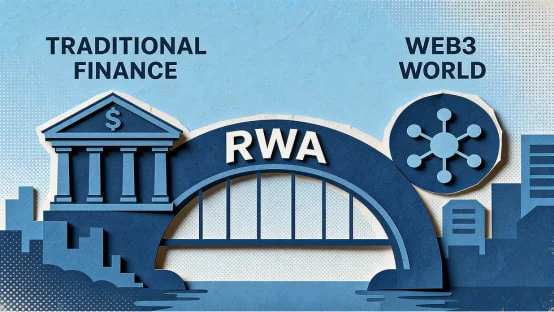
This retrospective traces the real-world asset, or RWA, sector from Yoni Assia’s colored coins concept in March 2012 to a market that now spans tokenized Treasuries, private credit, gold, funds, stocks and DeFi-linked collateral. Excluding stablecoins, freely tradable tokenized assets have reached $38.29 billion, with $369.44 billion in committed capital and 1.79 million holders, according to the article. The piece argues that the sector’s long delay was not caused by a lack of demand, but by the absence of trusted custodians, compliant issuance rails, reliable pricing infrastructure and credible institutional sponsors.
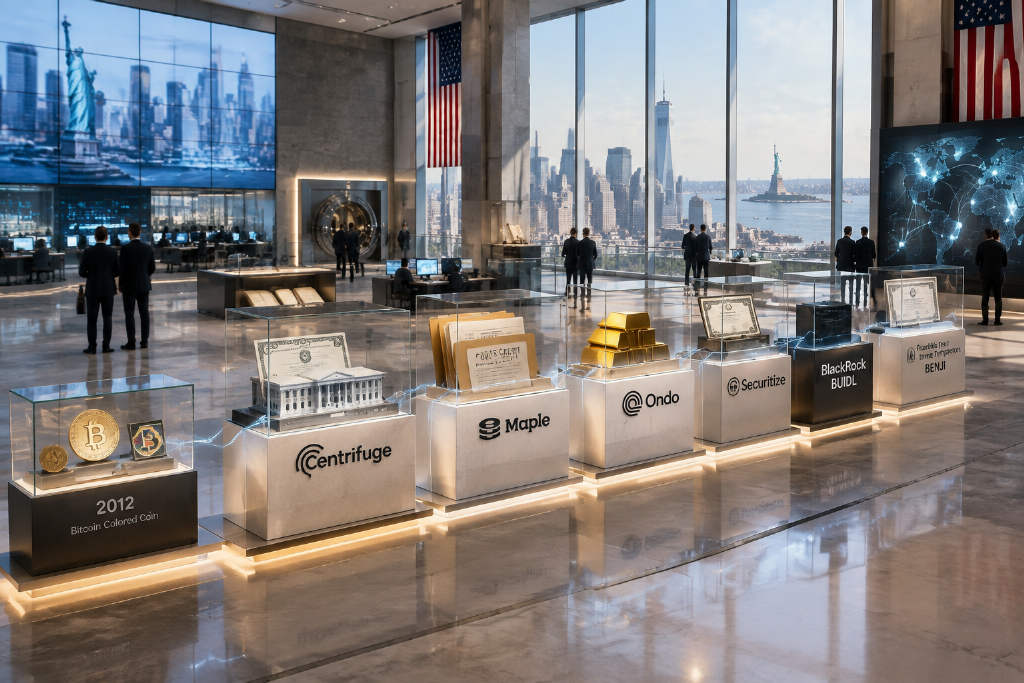
It reviews early efforts such as Centrifuge’s Tinlake and MakerDAO-linked RWA pool, Elevated Returns’ tokenization of the Aspen St. Regis hotel, and the launch of gold tokens PAXG and XAUT. It then turns to the shift brought by BlackRock’s BUIDL fund, Franklin Templeton’s BENJI, Maple Finance, Ondo, and the oracle stack built by RedStone, Pyth, DIA and Chainlink. The article also examines distribution through Mantle, Binance, Coinbase and MEXC, the rise of RWA perpetuals, and the regulatory tracks around the GENIUS Act, the CLARITY Act, SEC and CFTC classification work, and DTCC-led pilots. Even so, liquidity remains uneven, access is still restricted for most retail users, and much of the market remains inactive on-chain.